
The Fusion of "Trust Between Caregivers and Care Recipients" and "Robotics": Eri Nitta's Vision for the Future of Home Care
As Japan enters a super-aging society, the number of people requiring care is increasing, while a shortage of caregivers is predicted. The approach to caregiving is being reevaluated, and with recent technological advancements, the need for and expectations regarding robotic care devices are growing.Our guest for this interview, TV personality Eri Nitta, draws on her experience of providing home care for her mother for approximately six and a half years to give lectures and write about caregiving. She shared her perspective on what caregiving should look like from the viewpoint of someone who has lived through it, as well as her expectations for robotic care devices.
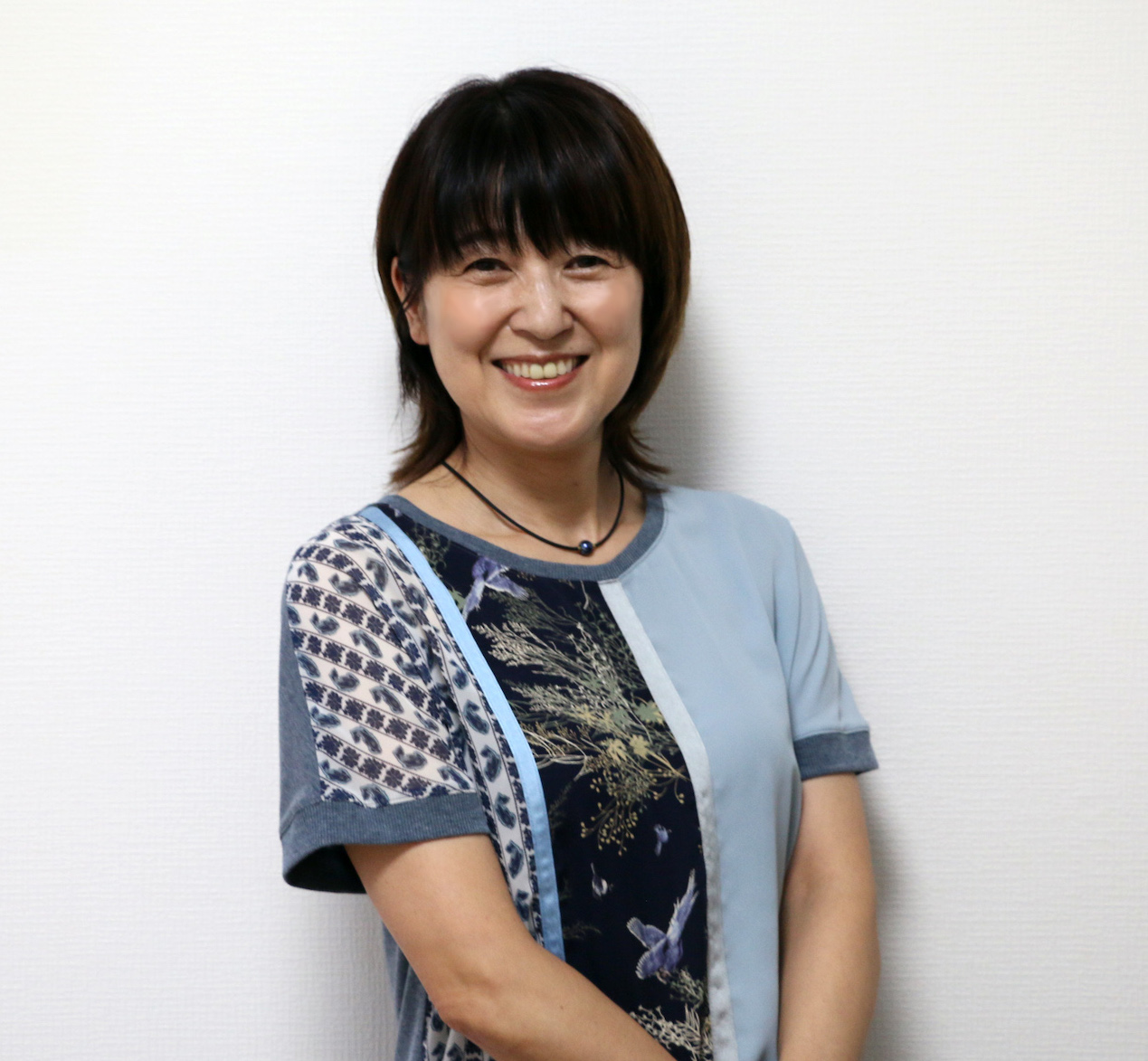
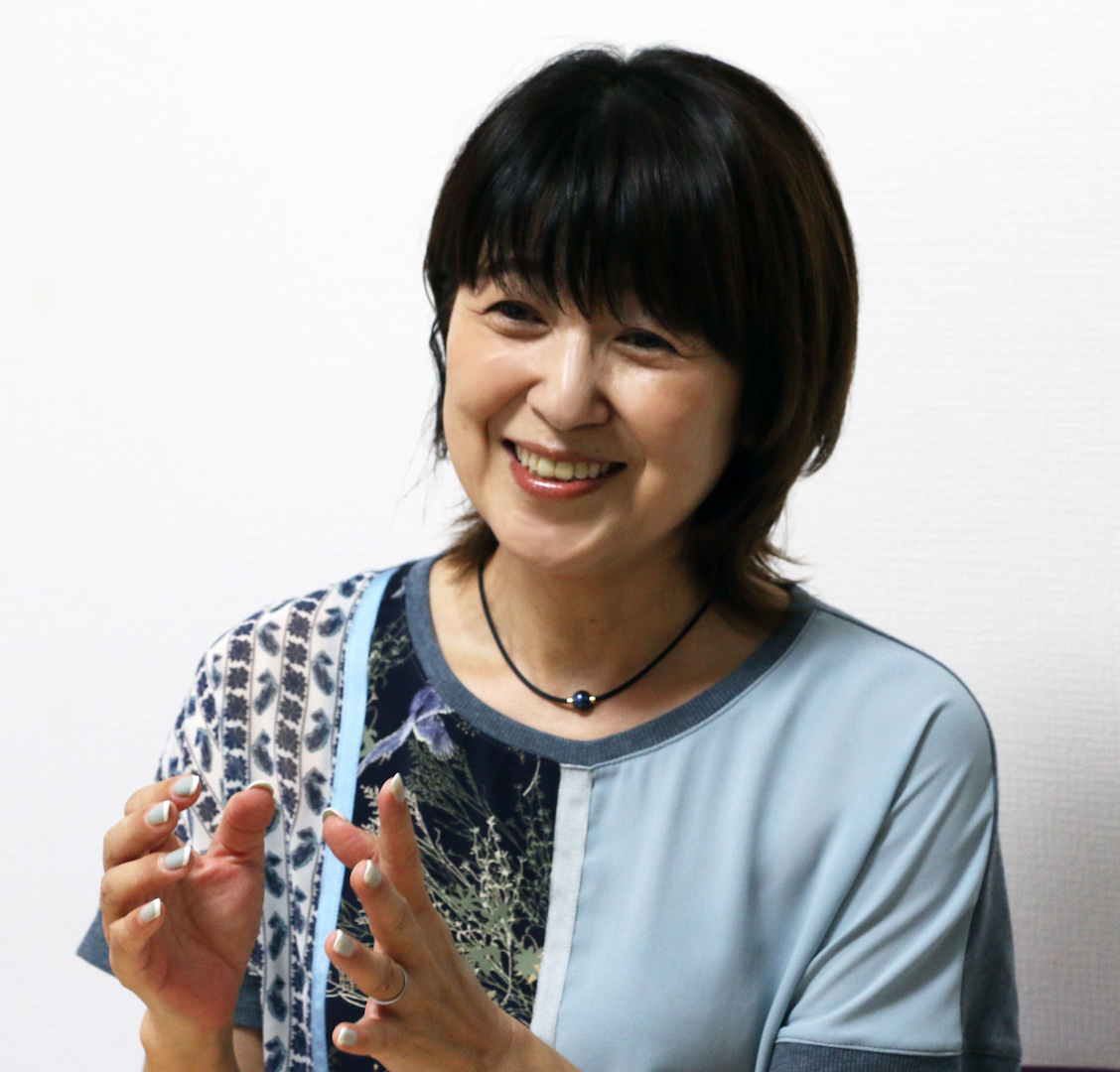
[Eri Nitta Profile]
Born March 17, 1968. Hometown: Saitama Prefecture. In 1985, she appeared on the legendary TV show *Yuyake Nyan Nyan* (Fuji TV), which became a social phenomenon. She rose to instant fame as member number 4 of the Onyanko Club.She made her solo debut in 1986 with “Fuyu no Opera Glass.” Even after the Onyanko Club disbanded, she continued her career as a TV personality, actress, and writer. In 2014, when her mother was certified as requiring Level 4 nursing care and she began providing care for her, she began traveling to companies and other venues to give numerous lectures on caregiving based on her personal experience.
Official Website: “eri nitta: Always Be Yourself”
,
Twitter
The idea of "care for oneself, not just for one's parents"
――Ms. Nitta, you cared for your mother at home from 2014 to 2021. Could you start by sharing your thoughts on caregiving and the challenges you faced?
In terms of helping someone with meals and toileting, childcare and caregiving are similar. But with childcare, children eventually grow up and leave their parents’ care. It’s a bittersweet but ultimately joyful outcome, isn’t it? On the other hand, the end of caregiving is the death of the person you’re caring for. And you have no idea when that moment will come. That was definitely the hardest part.
――So there were emotional hardships unique to caregiving. How did you feel about the physical strain?
As far as the physical strain goes, I think it was relatively easy for me. Since I started with a care level of 4—meaning I was bedridden—I couldn’t move my body at all to begin with. If anything, it was harder when my physical strength recovered through rehabilitation and I temporarily moved up to care level 3. Helping him transfer between the bed and the wheelchair was hard on my back.
――Could you tell us about any enjoyable aspects of your experience providing care?
I’m not sure if I can call it “enjoyable,” but being able to witness my parent’s aging firsthand every day is one of the things that makes me glad I chose to provide care at home. Unlike parents and children who only see each other once a year, I wasn’t shocked to think, “Has she really aged this much?” and was able to accept the aging process naturally. And whether good or bad, memories with my mother are etched into our home and all over the neighborhood, and they remain with me to this day.Now that my mother has passed away, I truly feel that choosing home care was the right decision. I lost my father at a young age, so I wasn’t able to do anything that felt like a proper way to honor my parents. Because of that, I decided that with my mother, I would do everything I could to show my devotion at that time, so I wouldn’t have any regrets. Even when I was exhausted from caregiving, I often reminded myself, “I’m not doing this for my parents’ sake, but for my own—so that I won’t have any regrets.”
――I think the phrase “caregiving for yourself, not just for your parents” really resonates with many people in this situation. What was the most difficult part of providing care?
Seeing my own parents grow old and gradually lose their ability to do things—I think accepting that was the hardest part. On a practical level, I struggled with the issue of odors. No matter how carefully I washed the sheets and bedding, the smell of bodily waste would linger and wouldn’t come out. I just couldn’t seem to get used to it.
The key to successful caregiving is the "trust between parent and child"
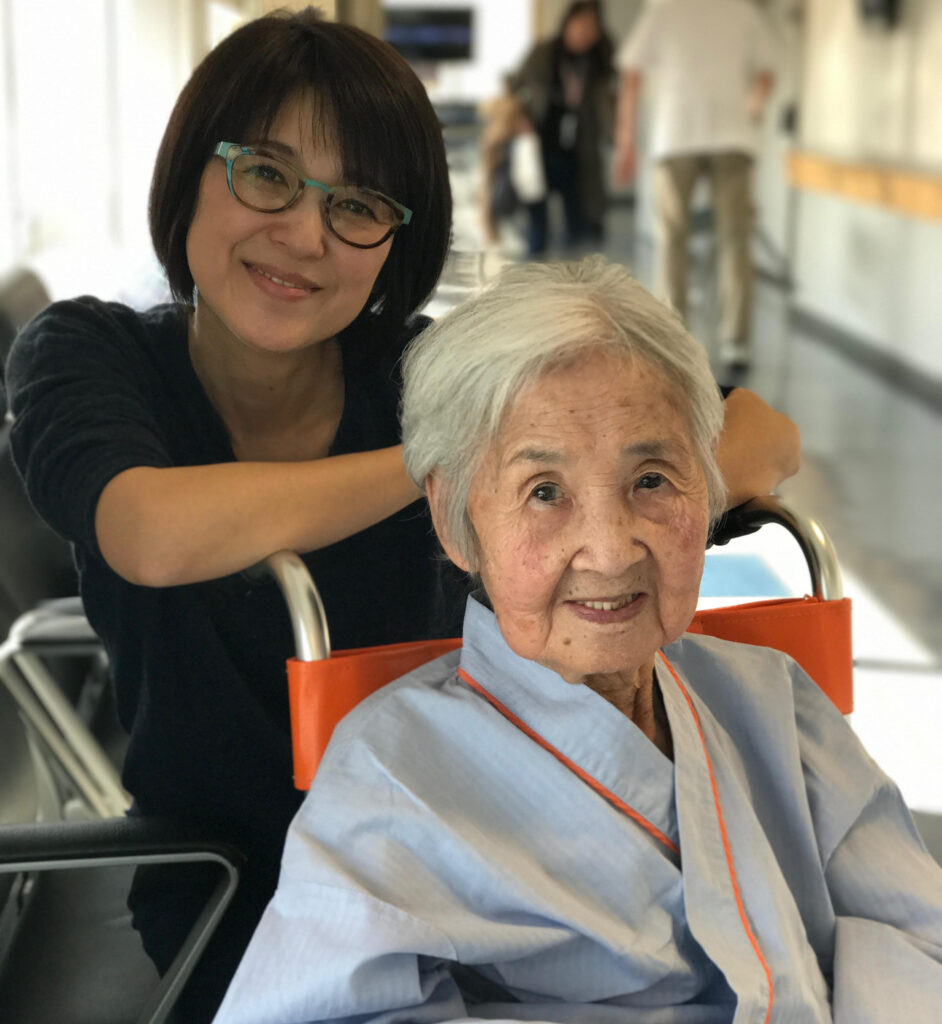
――It is predicted that the number of people requiring long-term care will continue to rise in Japan. How do you view this current situation, Mr. Nitta?
As I often mention in my lectures, long-term care is not just someone else’s problem—it affects everyone. However, the reality is that many of the people who attend my lectures are from the generation currently receiving care, while very few are from the generation that will soon be caring for their parents. I get the sense that awareness of long-term care remains low.
――What message would you like to convey to the generation that will soon be providing care?
I want them to build a strong relationship of trust with their parents before caregiving begins. If parents don’t trust their children, they will continue to treat them like children and refuse to listen to them. This will make caregiving much more difficult for the children. You should meet with your parents at least once a month while they are still in good health. If you can’t meet in person, call them. A relationship where you only see each other once a year is not enough for effective communication.
――In your case, Mr. Nitta, how did you build a relationship of trust with your mother?
In my case, I lost my father when I was 17 and just starting out in the entertainment industry, and from then on, I became the one supporting the family financially. Perhaps because of that, I think my mother came to trust me from an early stage. In a sense, our parent-child roles were “reversed,” but it seems there are many cases out there where that doesn’t work out well.
――I imagine there was a time when you lived apart from your mother. Did you stay in close contact with her during that time?
There was a period of about ten years when I lived away from my parents’ home, but I made sure to call her every single day.
――Have you done this without fail for 10 years?
When I was busy with work, there were times when we only spoke for about 30 seconds. Still, I think it’s because we talked on the phone every day for 10 years that we were able to maintain our bond even though we lived apart.
Robots Are Transforming Home Care
――Next, I’d like to ask you about robotic care devices. Have you ever used robots for caregiving, Ms. Nitta?
It might not be exactly what you’d call a “robot,” but an electric care bed was a huge help to me. It had all the features necessary for caring for a bedridden person: it automatically tilted from side to side, the mattress could be made firmer with the push of a button during diaper changes, it kept her warm, and it helped her sit up.My mother didn’t have this bed when she first reached Care Level 4, but we got one when she reached that level for the second time, and it really felt like night and day.
――Are you gathering information on other robotic care devices as well?
I try to keep up with a wide range of news related to caregiving. For example, I’ve known for some time about the “DFree Urination Prediction Device,” a system that alerts users when the bladder is full. In addition, devices that detect whether a person is asleep, assistive devices that caregivers can wear like a backpack, and machines like the “Robo-Helper SASUKE” that assist with transfers from a bed to a wheelchair seem to have appeared on the market recently.
――Do you think these robotic care devices should become more widespread in the future?
Absolutely. I believe they are indispensable, especially in nursing facilities. However, when it comes to home care, the types of robots needed might be slightly different. If there is only one person requiring care, you can generally predict when they will need to use the restroom, and unlike in nursing facilities, it’s physically difficult to install large machines in a home, isn’t it?
――That’s certainly true. Based on your experience, Mr. Nitta, what kinds of robotic care devices would you like to see adopted in home care?
Among the products already on the market, I think the “Robot Assist Walker RT.2,” a walking aid for the elderly, is excellent.Many elderly people still use standard walkers, but sometimes they lose their balance and fall. The RT.2 has electric assistance, so it automatically provides support and applies the brakes even on slopes, allowing users to walk safely. I really wish I could have let my mother use this.
――What kind of care robots do you think we should see in the future?
I think it would be nice to have a robot that could serve as a conversation partner. Specifically, a robot equipped with high-performance AI that learns from information and can engage in natural conversation tailored to the needs of the person receiving care. Older people, because they can’t move around as much, tend to want to talk, but most caregivers have their own lives to manage, so they can’t spend that much time with them. It also gets tiring to hear the same stories over and over again.If it were me, I’d probably blurt out, “Mom, I’ve heard that story a million times!” but a robot would listen patiently, wouldn’t it? (laughs).
――Given how rapidly AI is advancing, the arrival of such robots may not be too far off.Finally, could you share your thoughts on what the future of caregiving in Japan should look like?
I believe we need more comprehensive support not only for those receiving care but also for those providing it. When I look at caregiving practices around the world, I see that some countries, for example, classify home care as “labor” and pay wages for it. I think having such a system would help promote home care. Support for care providers is also still insufficient. Since it is such demanding work, I don’t think we can resolve the labor shortage without a system that ensures they receive wages commensurate with the effort.
――What are your expectations for robotic care devices in the future?
When it comes to home care, I think transferring a patient from a bed to a wheelchair is by far the most physically demanding task. Current robotic care assistants are too large to fit in a typical home, so I hope to see the development of a compact robot that integrates the bed and wheelchair into a single unit.
――Do you feel any psychological resistance to the idea of entrusting your body to a large robot?
For older people of my parents’ generation, it might still feel a little scary. But I think that feeling is just a matter of getting used to it. If we could make the design and size a bit more approachable, I believe older people would come to accept it. I’m hopeful that by the time our generation needs care in the future, using robotic care devices will have become completely commonplace.