
Contributing not only to improved productivity and increased care reimbursement rates but also to staff recruitment: The care robots and ICT devices utilized by "Sasazu-en"
Starting in April 2024, the long-term care reimbursement system was revised, and the "Productivity Improvement Bonus (I) and (II)" was newly established to promote the use of technology such as care robots and ICT devices.While the introduction of care robots and ICT is generating high expectations in the nursing care industry, which is facing a growing labor shortage, eligibility for these add-ons requires measures such as “establishing a committee to ensure user safety, service quality, and staff workload reduction” and “submitting data on the results of operational improvements.” As of June, the adoption rates for these add-ons (preliminary figures) at special nursing homes stood at only 4.0% for Add-on (I) and 21.1% for Add-on (II).*1
Amid this situation, “Sasazu-en Special Nursing Home for the
Elderly” (hereinafter “Sasazu-en”), operated by the Social Welfare Corporation Osawano Fukushikai
and located in southern Toyama Prefecture, has actively pursued DX and ICT adoption from the outset and has secured Surcharge (I). What effects do ICT adoption and the introduction of care robots have on the nursing care industry? We spoke with Hiroyuki Iwai, Chairman of Sasazu-en, about specific initiatives, changes on the front lines due to ICT adoption, and operational improvements.
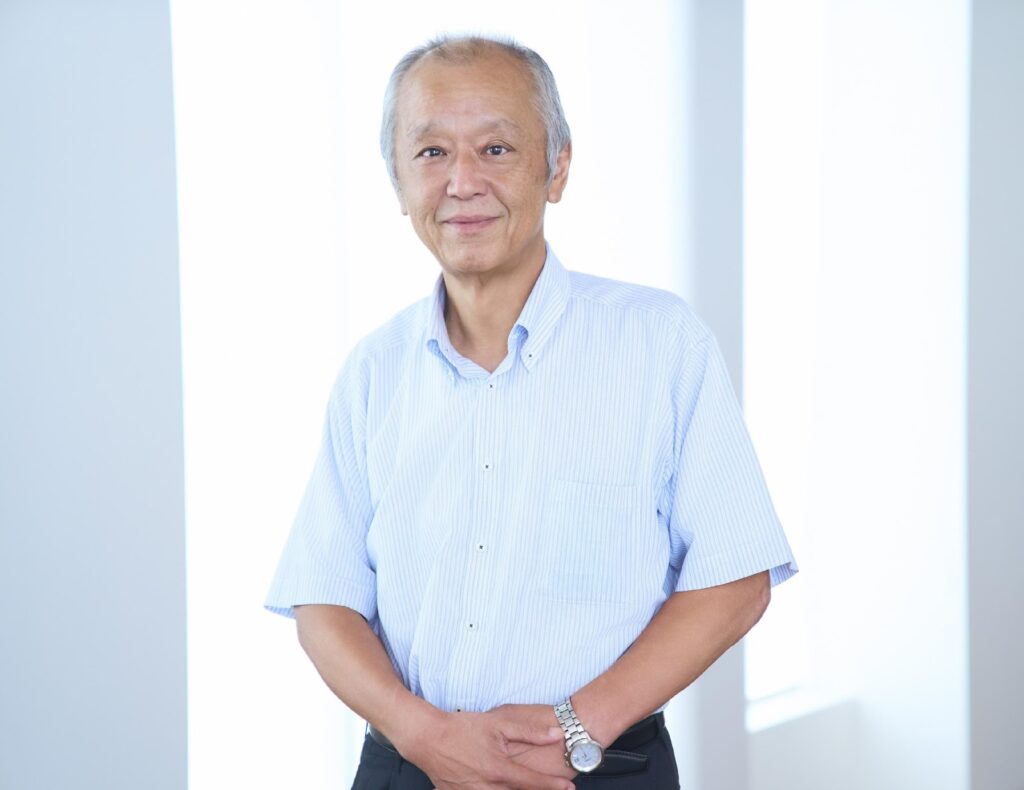
The introduction of care robots and ICT devices, which began as a measure to address lower back pain among care workers
――With the shrinking workforce becoming a societal issue, labor shortages are also a pressing challenge in the long-term care industry. In particular, Sasazuen is located in a sparsely populated mountainous region, and I understand that in the past, there were times when it was difficult to recruit staff. Was the adoption of DX and ICT initiatives undertaken to address these challenges?
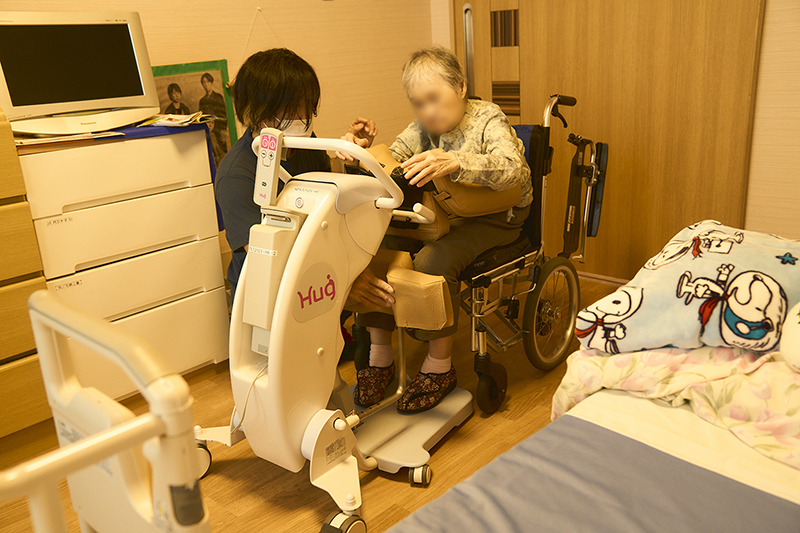
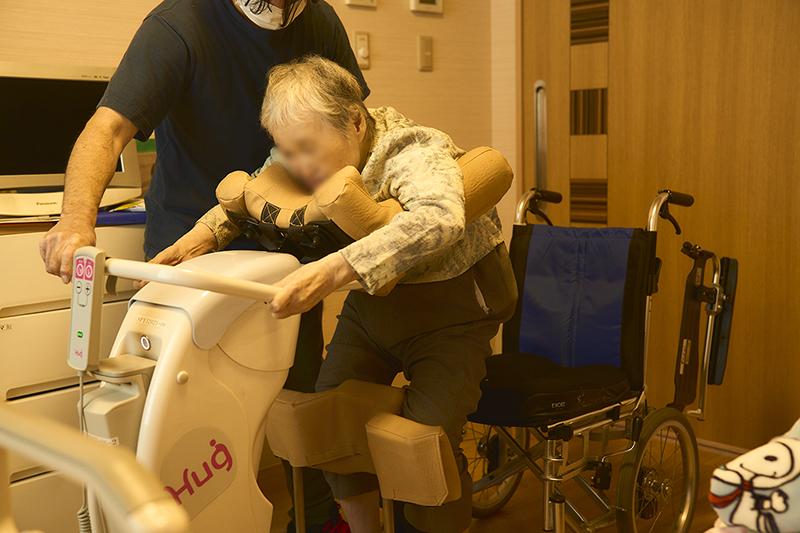
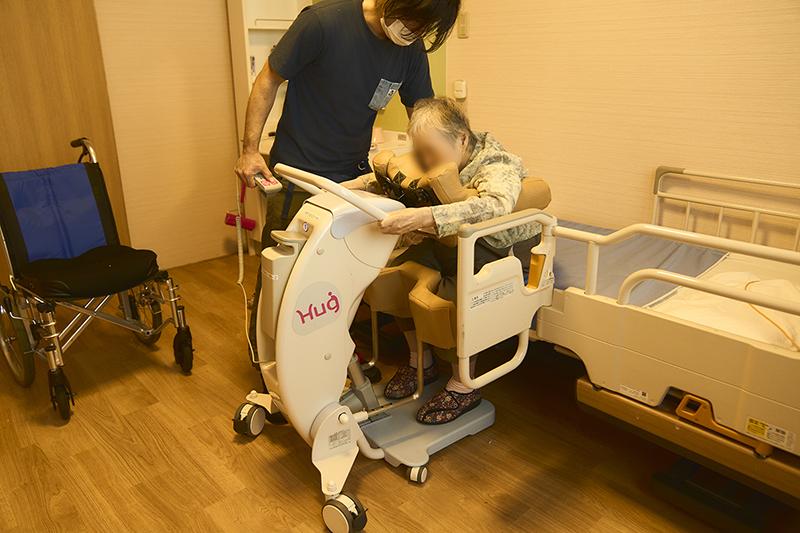
Chairman Hiroyuki Iwai (hereinafter the same): “We weren’t originally promoting DX; our initial motivation was to address the frequent back pain issues among frontline staff.“We were seeing occasional instances of staff taking sick leave or resigning due to back pain, so we felt it was necessary to invest in equipment to prevent back pain among our staff in order to ensure adequate staffing levels. Around 2010, we began exploring the use of patient transfer lifts and care robots. In 2012, although they were not care robots, we introduced five patient transfer lifts.”
――When you began your digital transformation, which operations did you tackle first?
“In 2010, we upgraded our internal LAN system and implemented groupware to improve internal communication. By moving online processes—such as announcements from facility directors to the entire staff, communication between employees, and the distribution of meeting minutes and conference records—that were previously handled via paper documents or verbally, we’ve ensured that staff can access the latest and most accurate information at any time, thereby achieving efficient information sharing.”
――So the introduction of care robots and digital transformation have been proceeding in tandem.
“That’s right. We sensed that ICT and digital transformation could potentially address staff challenges beyond just back pain, so in 2019, we began a full-scale effort to promote digital transformation and ICT adoption with the goal of providing safer and more efficient care services. In 2021, we were selected as a model facility for the National Council of Elderly Welfare Facilities’ ICT Implementation Project. The accumulation of these initiatives naturally led to our meeting the requirements for the Productivity Improvement Promotion System Bonus (I).”
――Please tell us about the “Paramount Bed Sleep SCAN” monitoring system.
“We introduced ‘Sleep SCAN’ in 2019 to reduce the workload on night staff. Previously, staff had to make two rounds of all rooms late at night to check on residents, but with ‘Sleep SCAN,’ simply placing a sensor pad between the bed and the mattress allows the system to detect residents’ body movements, breathing, and pulse, and assess their sleep status.Since the measurement data can be monitored in real time, we can provide more appropriate care while reducing the number of late-night rounds. We started with 10 units when we introduced the system, but it is now in use in all beds (118 units as of the end of May 2024). By analyzing the collected data, we can provide higher-quality care services.For example, for a male resident in his 90s, ‘Sleep SCAN’ revealed that his average daily sleep duration at night was 1 hour and 59 minutes, with approximately 400 minutes of sleep disruption. Consequently, we implemented measures to encourage getting out of bed during the day and reviewed his nutritional status. Within about eight weeks, his average sleep duration improved to 7 hours and 3 minutes, and sleep disruption was reduced to 283 minutes. His activity levels during the day also increased, and his quality of life appears to have improved.”
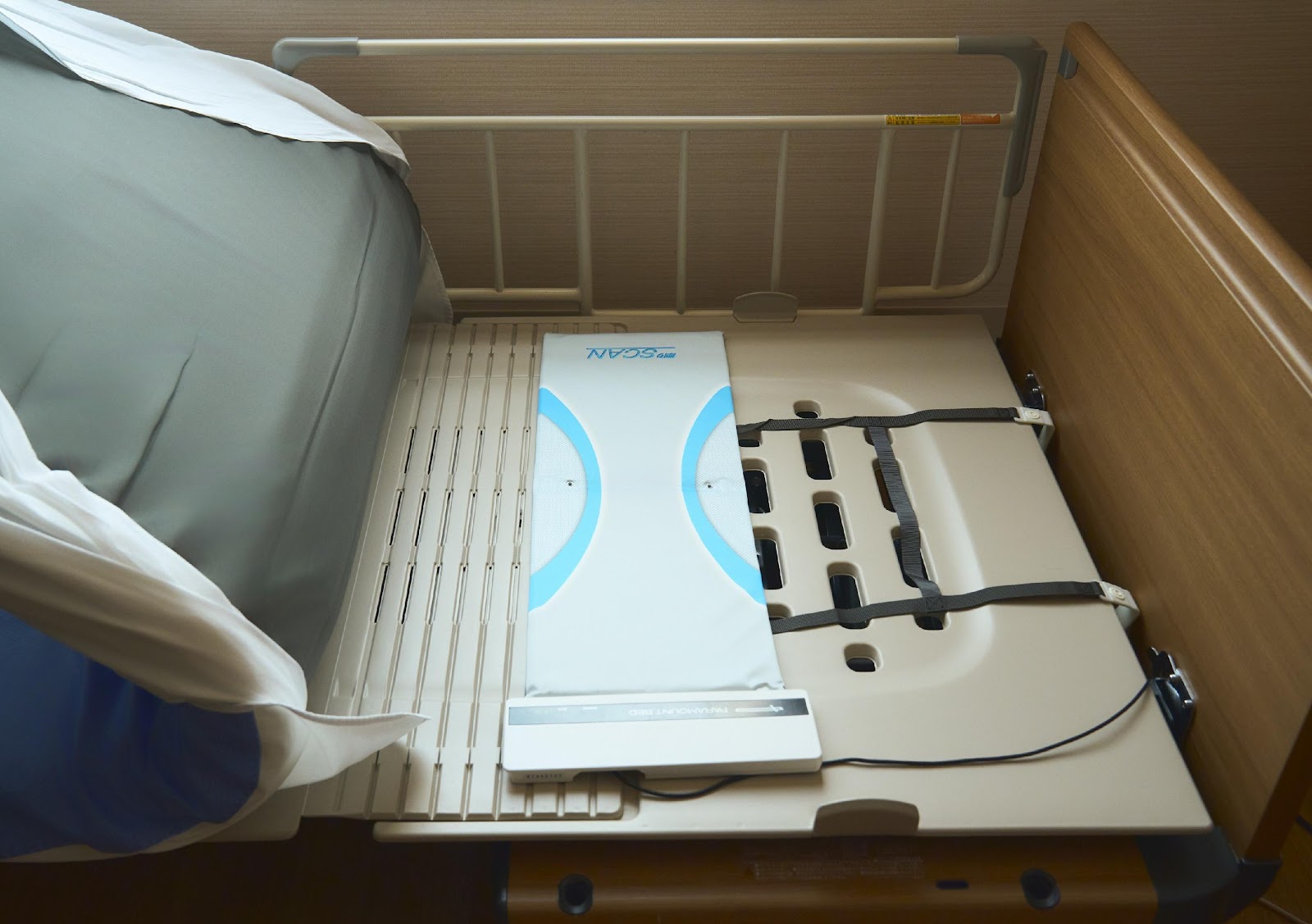
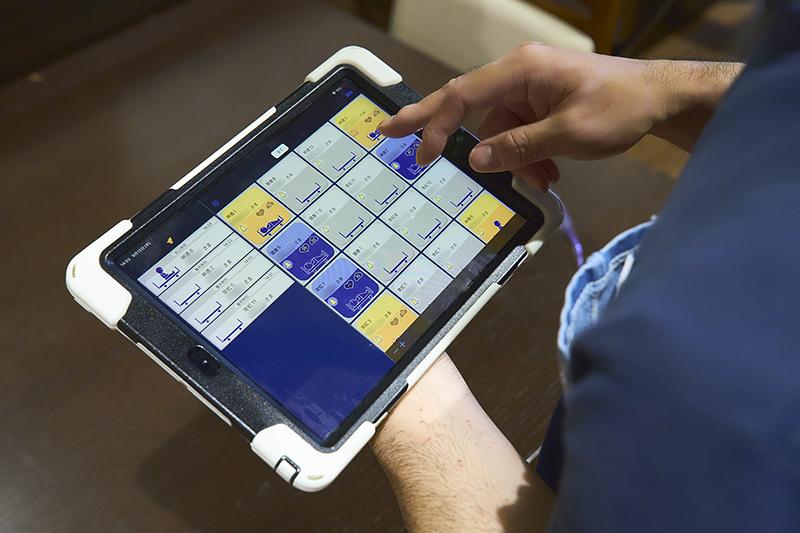
("Sleep SCAN," installed under the mattresses of residents' beds. Caregivers can monitor residents' wakefulness, sitting up, and getting out of bed while remaining in another room. Since the resident's status—such as getting out of bed or falling asleep—is displayed using different colors, caregivers can assess the situation at a glance.)
――I hear you use specialized software to create work schedules, which can be a headache for staff.
“We introduced scheduling software in 2019. Previously, we used an analog method where each staff member submitted their preferred days off on paper, and the team leader would enter them into a spreadsheet to create a schedule that accommodated everyone’s requests before printing it out. However, the introduction of this software has significantly streamlined the process.“Now, staff members simply submit their preferred shifts online. The system automatically generates a draft schedule that reflects everyone’s preferences and incorporates detailed conditions, such as ‘no night shifts for new hires.’ Sharing the schedule online has become much smoother, and since work records are logged, linking this data with payroll and HR management has also improved operational efficiency in the administrative department.”
――I see that all of the care staff are wearing headsets. How are these being used?
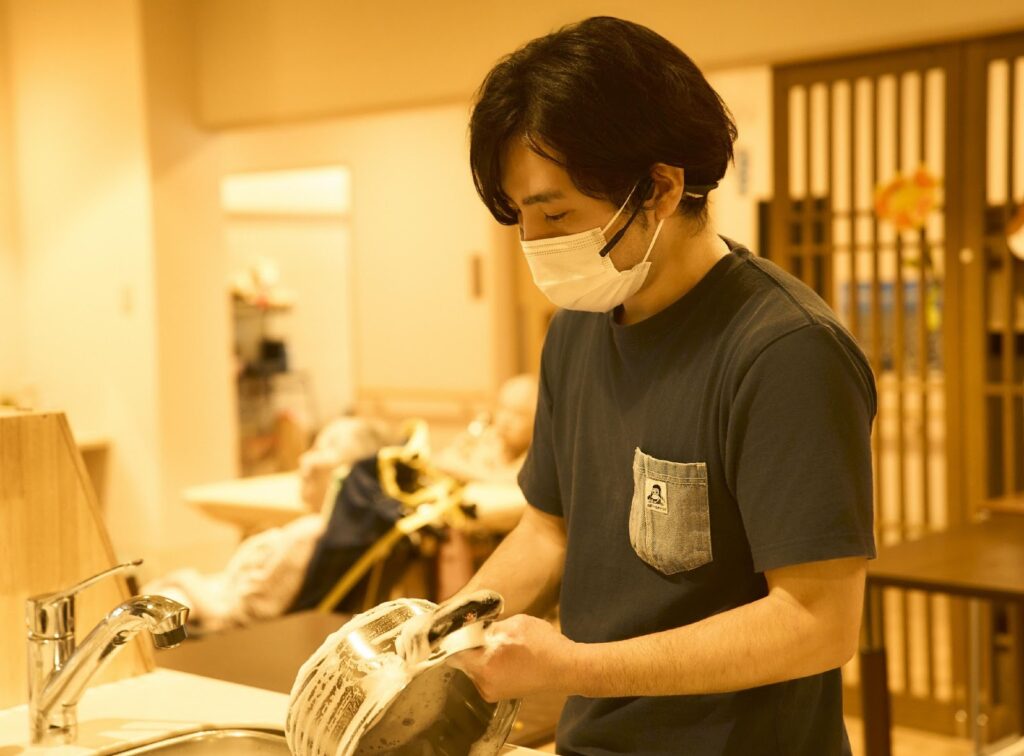
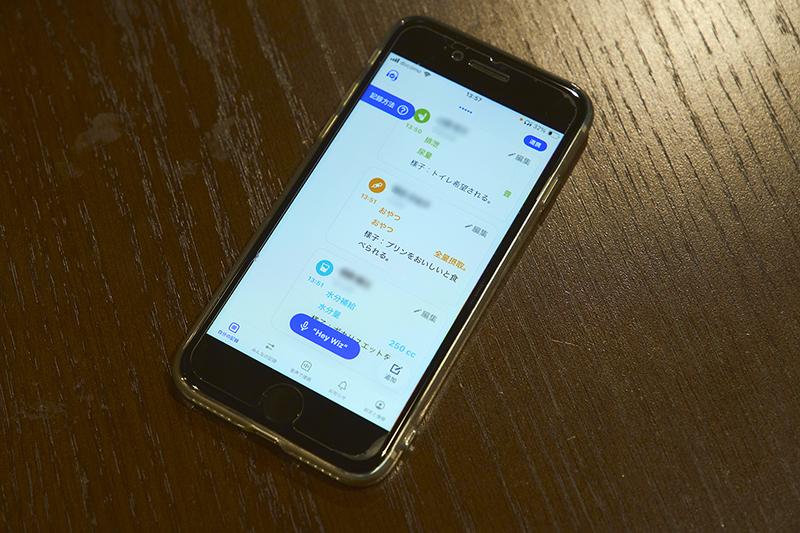
(Since care staff wear bone-conduction headsets, they can enter care records while performing other tasks, such as doing light housework.)
“In 2020, we introduced walkie-talkie-style headsets to enable real-time information sharing among staff members. While they were effective for keeping track of staff activities, we received feedback that the wired earphones hindered work, so we have now switched to more convenient bone-conduction headsets. Furthermore, by integrating these headsets with a voice-input system and care support software, we have enabled remote voice-based care record entry.
Maintaining care records is one of the tasks that requires significant time and effort for on-site staff. Previously, staff had to go to the office and sit at a computer to enter records, but now they can use voice input while doing small tasks like washing dishes or tidying up. As a result, the time spent creating records per day has been reduced from 33 minutes to 17 minutes.Furthermore, within two months of introducing the voice input system, the volume of records increased from 6,713 characters to 13,162 characters—roughly doubling—enabling more detailed documentation. Additionally, instances of missed entries have been virtually eliminated. Moreover, by utilizing the recording function of the headsets, the so-called “handover” that was traditionally conducted verbally during shift changes has been eliminated, further improving operational efficiency.”
――Could you also tell us about the costs incurred from when you began actively promoting digital transformation (DX) and ICT adoption in 2019 up to the present?
“At Sasazuen, we provide each of our approximately 100 full-time employees with a PC or smartphone. Including these devices, we have invested an estimated budget of approximately 35 million yen over the four years since 2019. Of this amount, 56%—about 20 million yen—has been covered by subsidies and grants from the Ministry of Health, Labour and Welfare and local governments.”
Collecting data that meets the requirements for the Productivity Improvement Promotion System Bonus and establishing a committee
――The long-term care reimbursement system was revised in April 2024, and new reimbursement incentives were established to promote productivity improvements. Organizations must meet multiple requirements, such as “introducing technological equipment,” “establishing an ICT promotion committee,” and “submitting data on the results of operational improvements.” While this may seem like a high hurdle at first glance, what measures are you taking?
“Personally, I don’t think the hurdles are high at all. If we ask, ‘What is the biggest challenge on the front lines right now?’ and listen to their feedback, then utilize ICT devices and robots to solve those problems, productivity will naturally improve. I also don’t think submitting performance data is that difficult.”
――One of the requirements is the establishment of a committee “to ensure user safety, service quality, and the reduction of staff workload.” How is this committee operated at Sasazu-en?
“At Sasazu-en, we established the ‘ICT Promotion Committee’ in 2021, with department heads serving as members. The committee meets monthly to receive feedback and new proposals from the front lines and to exchange ideas on how to facilitate a smoother transition to ICT. Recently, as the number of ICT devices has increased, we have implemented measures such as setting up a management system for affixing QR codes and switching the transportation system used at the day service center. I believe the committee is functioning effectively.”
“――Do you appoint staff members with a strong interest in IT to the committee?
”
“No, not at all. It seems that each person updates their knowledge on their own—either by researching on their own despite not fully understanding the subject, or by asking IT vendors for guidance. They seem to find it rewarding and enjoyable to see their proposals implemented quickly and to hear positive feedback from the field.”
Efforts to improve productivity are enhancing the brand image of
"cutting-edge care," which is also helping to attract and retain staff
――What are some of the benefits of digital transformation (DX) and ICT adoption?
“Actually, I believe it’s highly likely to have a positive impact on securing talent, such as through recruitment and staff retention. We’ve been hiring new graduates every year recently, and when we ask them, many young people say that if they’re going to work in caregiving, they’d prefer to work at a facility equipped with state-of-the-art equipment. In Toyama Prefecture, Sasazuen is one of the few facilities to have obtained the Productivity Improvement Bonus (I). Many staff members tell us, ‘Even if the commute is a little longer, I want to work here.’””

――How do long-time staff members view the promotion of digital transformation (DX) and ICT adoption?
“When we surveyed our existing staff, 63% reported that their work processes had improved. I believe that DX and ICT adoption will not take root unless staff members genuinely feel that their work has become easier and that they are now able to provide better services to residents. “When people hear the term ‘digital transformation,’ some might worry that certain staff members will be left behind. However, regarding the voice-to-text feature for care records I mentioned earlier, women in their 50s and 60s became its strongest advocates. For staff members who aren’t comfortable using keyboards, voice-to-text—which transcribes their spoken words directly—is extremely convenient. When they saw younger staff members typing on keyboards, they actively promoted the feature, saying, ‘Voice-to-text is faster and easier.’”
――So, tools that frontline staff find easy to use are more likely to catch on.
“I think the staff enjoy it more that way, too. Through the promotion of ICT, I hope we can create a virtuous cycle where the burden of non-care tasks—which used to be a heavy load—is reduced, allowing for more attentive care for residents, and where productivity improves as staff take a more proactive approach to their work. Sasazuen’s policy is ‘Do & Think.’ The order is crucial here; it’s not ‘Think & Do,’ but ‘Do’ comes first.Not just with ICT adoption, but whenever something seems promising, I encourage all staff to try it first. Even if it doesn’t work out, we can simply go back to the way things were. It’s the job of on-site leaders and us in management to take individual ideas and shape them into reality. If those results become success stories for the staff, leading to greater vitality and motivation in their work, I believe it will ultimately elevate the entire organization.”
――Are there any other measures you’ve implemented to improve staff productivity?
“At Sasazuen, we’ve been hiring care assistants for about 20 years and have clearly defined their roles. This initiative began back when the term ‘care assistant’ wasn’t even widely used yet. By having care assistants handle tasks such as cleaning, laundry, and changing sheets, we strive to ensure that our care staff can devote as much time as possible to their core care duties.”
Care robots and the adoption of ICT contribute to raising the standard of care
――How do you think long-term care will change in the future as a result of the promotion of ICT initiatives such as digital transformation (DX) and care robots?
“Current caregiving work has a ‘craftsman-like’ aspect to it, in that it depends heavily on the experience and skills of individual staff members. Even in terms of care techniques, there remains a significant element of individual expertise, which leads to labor shortages and inconsistencies in skill levels. Of course, as long as humans are involved, there will always be variations in skill, but I hope that the use of care robots and AI will enable everyone to receive a consistent level of care, thereby raising the overall standard of care. I believe that is likely the direction society is heading.”
――It seems that Sasazu-en has many young staff members and has created a virtuous cycle where staff autonomy is fostered. Is this related to the effective implementation of ICT initiatives?
“I think that’s exactly right. In fact, I feel that the staff at Sasazu-en are the most vibrant. Both I and the staff believe there is still plenty of room to make caregiving more enjoyable and less burdensome.”
<The End>
*1. Source: National Association of Welfare Facilities for the Elderly, "Roshikyo Digital" (August 12, 2024)