
Key Considerations and Benefits of Introducing and Utilizing Robotic Care Devices from the Perspective of Care Managers
Against the backdrop of an aging population and a shrinking working-age population, robotic care devices are being introduced into care facilities to alleviate the burden on caregivers and support the independence of the elderly. For this article, we interviewed Ms. Yoshiko Ishihara, a care manager at Kinuta Home, operated by the social welfare corporation Yuai Jujikai, which has been actively implementing robotic care devices.In this interview, we spoke with Ms. Ishihara about robotic care devices from the perspective of the care setting, including the key considerations she keeps in mind when introducing and utilizing these devices, as well as the specific benefits they have brought to caregiving. (Interview Date: December 7, 2023)
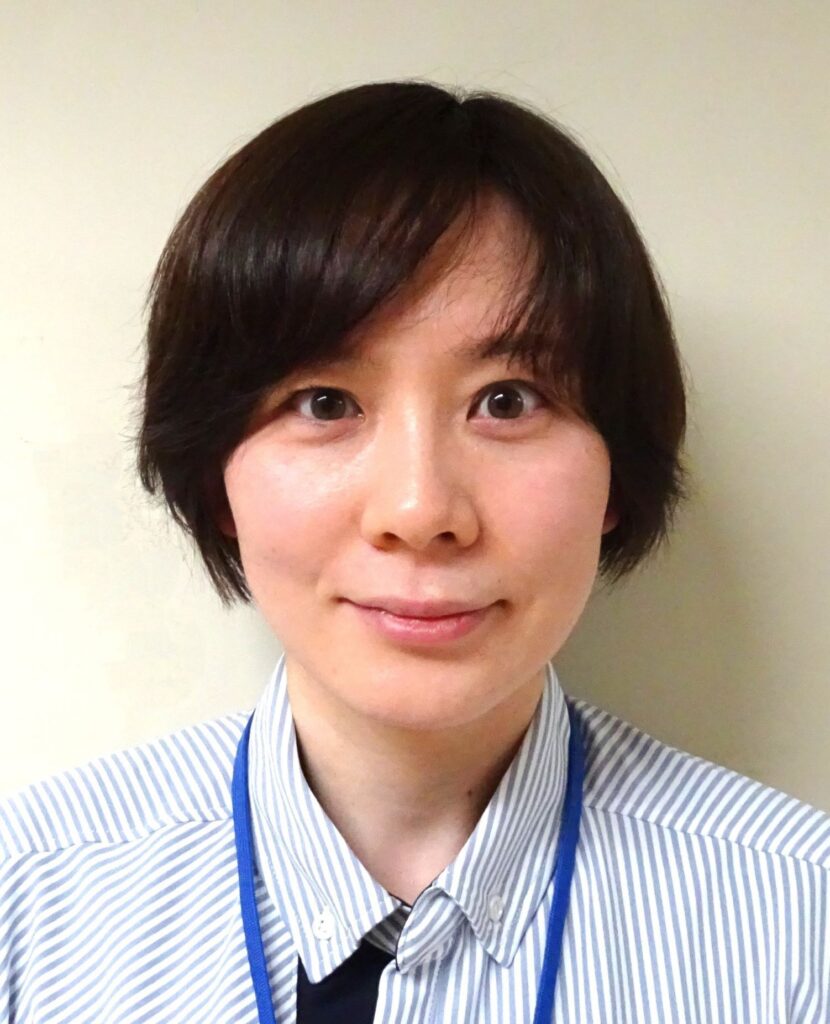
[Profile of Yoshiko Ishihara]
Care Manager, Kinuta Home, Social Welfare Corporation Yuai Jujikai:
She obtained her registered dietitian certification while in college. After graduation, she joined a company operating a Seattle-based coffee chain and worked as an assistant store manager. Following her marriage and the birth of her child, she transitioned to a career in geriatric healthcare and welfare, working as a registered dietitian in a post-acute rehabilitation ward and a long-term care hospital.She later obtained her Care Manager certification while working as a dietitian at a long-term care facility for the elderly. Since 2021, she has been working at the Yuai Jujikai Kinuta Home, where she is actively engaged in the implementation of robotic care devices in the field.
How Care Managers Can Work with Robotic Care Devices
―― In your role as a care manager at Kinuta Home, how are you involved with robotic care devices?
I joined Kinuta Home in 2021, so this year marks my third year here. Since robotic care devices were already in use at Kinuta Home when I started, I didn’t personally take the initiative to introduce them.In my current role, I’m primarily involved in incorporating robotic care devices into care plans. When using these devices—especially monitoring devices like bed sensors and silhouette sensors—we need to provide advance explanations to residents’ families and obtain their consent, so I handle those tasks. Additionally, based on the view that care devices are a form of assistive technology, we’re working as a facility—led by our functional training instructors—to promote their use throughout the facility.
―― How do you gather information about robotic care devices?
I gather information by watching TV programs that feature them, visiting care device exhibitions to see the actual products, and checking updates from the Technos Aid Association. I think this approach is similar to what staff at other facilities do.We approach this from the perspective of whether there is any equipment that could help resolve even a small part of the challenges raised by staff on the floor. Furthermore, since it is important to create a work environment where staff can continue working, our primary premise is that the equipment should be something that both residents and staff can enjoy using.
How to Ensure the Long-Term Use of Robotic Care Devices
―― We often hear stories from many care facilities about how they introduced robotic care devices but ended up discontinuing their use partway through. At Kinuta Home, are there any particular precautions you take when introducing new equipment?
When introducing new equipment, we utilize the manufacturer’s trial service (trial period), and I believe it’s crucial to thoroughly plan how the equipment will actually be used in the field during that time.Basically, this is the stage where we decide whether to adopt the equipment, so it’s crucial to identify as many operational points and challenges as possible at this stage. Based on the trial results, we avoid introducing equipment that isn’t a good fit, so at Kinuta Home, we haven’t had any cases where we introduced a device only to stop using it partway through. We want to determine whether issues that arise during the trial are isolated incidents or recurring problems, so a longer trial period is definitely preferable.
―― So, by making effective use of trials, you’re able to fully utilize the equipment you’ve introduced. Are there any key points for ensuring the continuous use of the robotic care equipment you’ve introduced?
I believe it’s important to create an environment where anyone who wants to use the robotic care equipment can do so immediately. For example, in the case of the “Muscle Suit,” rather than requiring all staff at Kinuta Home to use it, we’ve designated storage locations within the facility and distributed them across three different spots so that staff who want to use it can grab one right away whenever they need it.
The Impact of Introducing Robotic Care Devices in the Field
―― What results have you seen since introducing robotic care equipment?
By promoting the use of this equipment, we’ve reduced the physical and mental strain on our staff, allowing them to provide care with a better balance between work and rest. As a result, the quality of care has improved, which led to Kinuta Home receiving the Prime Minister’s Award.
In the case of the “Muscle Suit,” we’ve actually seen a reduction in lower back pain among staff members. With less physical strain, they are now able to provide care with greater ease.Additionally, since fewer staff members are taking leave due to health issues, we’re less likely to face staff shortages, and it’s become easier for staff to take time off—which is a significant benefit.
Furthermore, by installing “Sleep SCAN” (a product by Paramount Bed Co., Ltd.) in every bed, we can now check on residents’ well-being and provide assistance at night without disturbing their sleep. This allows us to prioritize well-being checks rather than starting from the rooms at the far end.This has freed up a few minutes of spare time compared to before, allowing us to use that time for other tasks or simply to take a breather. As for the communication robots, some residents are confused by them, while others really take a liking to them. Unlike other equipment, I believe communication robots play a vital role in bringing smiles to residents’ faces.
Toward the Active Utilization of Robotic Care Devices
―― It seems that your staff members have a positive attitude toward using robotic care devices. What is the background behind this?
At Kinuta Home, we have been practicing “no-lifting care” since 2014. We shared these efforts with the public at the “Active Welfare in Tokyo ’15” conference on elderly welfare held in 2015. I believe that this public outreach has contributed to our proactive use of these devices.
―― Are there opportunities for care managers to exchange information about robotic care devices among themselves?
To begin with, there are hardly any forums for care managers to exchange opinions. If we narrow it down to robotic care devices specifically, I suspect there are even fewer such opportunities. Since care managers incorporate external services into care plans, I believe that while day-care facilities may have exercise machines, few care providers actually incorporate robotic care devices.I’ve also heard that even among residential care facilities, adoption hasn’t progressed in some places yet.
―― So, from your perspective on the front lines, Mr. Ishihara, it seems the adoption of robotic care devices is still insufficient. On the other hand, I imagine there are many care managers interested in these devices from the perspective of solving challenges in the care setting and improving the quality of care. Could you share a message for them?
I’m in a position to support care staff, and from that perspective, I see that robotic care devices—as support tools—are evolving rapidly and becoming more widely available. There are few forums for sharing information, and opportunities for exchange are scarce, but I think it would be best to start by utilizing smaller devices that seem feasible to introduce into facilities.
<The End>